
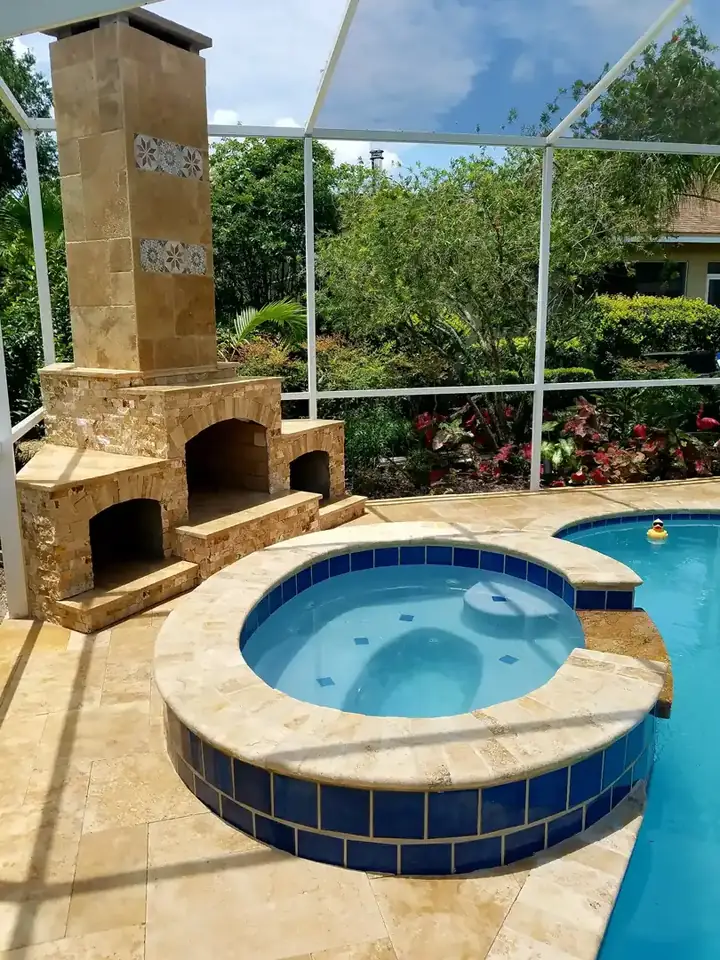
Most outdoor stains fall into a handful of types, and each one needs a different approach. Use this chart to treat common spots on pavers and outdoor stone. Always test in a small, hidden area first, and remember that travertine and marble need gentler, stone-safe products than concrete pavers.
Quick Stain Removal Chart
| Stain | Concrete Pavers | Travertine and Marble |
|---|---|---|
| Leaves, tannins, mulch | Mild oxygen-based cleaner, scrub, rinse; sun often fades the rest | Stone-safe cleaner; poultice for stubborn spots |
| Berries and fruit | Oxygen-based cleaner and scrub | Rinse fast (fruit acids etch), then stone-safe cleaner |
| Oil and grease | Absorbent, then degreaser; see oil and tire marks | Absorbent, then stone-safe degreaser or poultice |
| Rust | Rust remover for pavers; see rust stains | Only removers made for natural stone |
| Mildew and algae | Hardscape mildew cleaner; see mildew and algae | Stone-safe mildew cleaner |
| Gum | Freeze with ice, scrape with plastic, degreaser for residue | Same; avoid metal scrapers |
| Latex paint | Scrape when soft, warm soapy water and brush | Same, gently |
| Oil-based paint | Paint stripper made for masonry, then rinse; test first | Call a pro; strippers can damage stone |
| Candle wax | Freeze, scrape, then degreaser | Same, gently |
| Wine, soda, cocktails | Rinse, mild cleaner | Rinse immediately; acids can etch, see etching |
| Calcium and pool scale | Calcium cleaner for pavers; see pool chemical stains | Stone-safe products only |
General Rules for Any Stain
- Act fast. Fresh stains are far easier than old ones.
- Blot, don't spread.
- Test first in a hidden spot.
- Skip acids and bleach on natural stone unless the product says it's stone-safe.
- Rinse thoroughly and let the surface dry before deciding if it worked.
What a Poultice Is
A poultice is a paste of an absorbent powder mixed with a cleaner, spread over a stain and covered so it dries slowly. As it dries, it pulls the stain out of the pores. It's the go-to method for deep oil and organic stains on stone. Stone suppliers sell ready-made poultices for specific stains.
Outdoor Kitchens
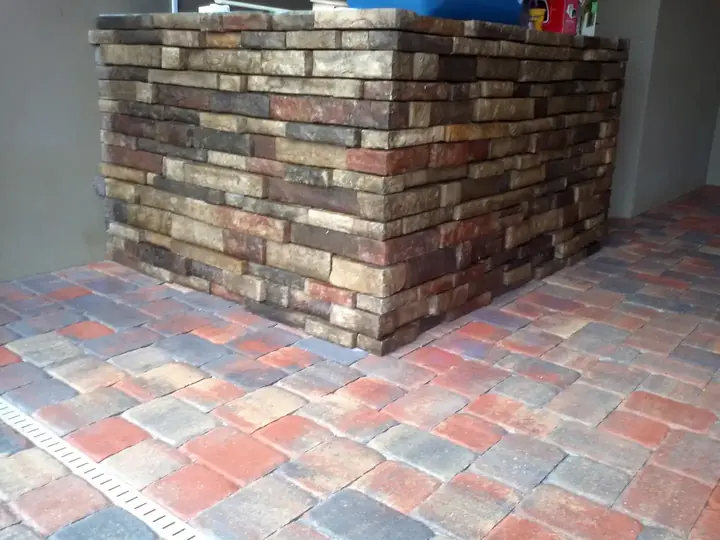
Grease, sauces, and drinks around outdoor kitchens stain stone counters and floors quickly. Clean spills while fresh and keep the stone sealed. We clean and seal outdoor kitchens, counters, and stacked stone; see patio, lanai, and outdoor kitchen sealing.
When to Call Us
Large or old stains, stains on travertine or marble, and anything you've already tried twice are worth a professional look. Our rust and stain removal service treats stains before sealing so they don't get locked in. We serve homes across Brandon, Hawkstone, Seffner, and Tampa Bay.
Paver Sealing Florida sealed my driveway yesterday and did an amazing job! We had some oil stains on our pavers and they were able to remove them! Our home is only 2 years old and our driveway looks brand new again! The owners of the company are two brothers (Sam & Steve) and they were both professional and very nice!. Thanks again for the fabulous job! I would definitely recommend them!
Paver and Stone Stain Removal Chart FAQs
How do I remove leaf stains from pavers?
Use a mild oxygen-based cleaner and a brush, then rinse. Sun often fades what's left over a few weeks.
How do you get gum off pavers?
Freeze it with ice, scrape it off with a plastic scraper, and clean any residue with a degreaser.
Can paint be removed from pavers?
Latex paint often scrubs off while soft. Oil-based paint may need a masonry paint stripper; test first, and call a pro on stone.
What is a poultice?
A paste of absorbent powder and cleaner that pulls a stain out of stone as it dries. It's the standard method for deep stains on natural stone.
Can I use bleach on travertine?
Avoid it unless the product is labeled stone-safe. Use pH-neutral, stone-safe cleaners on travertine and marble.
Should stains be removed before sealing?
Yes. Sealing over a stain locks it in, so we treat stains first.